

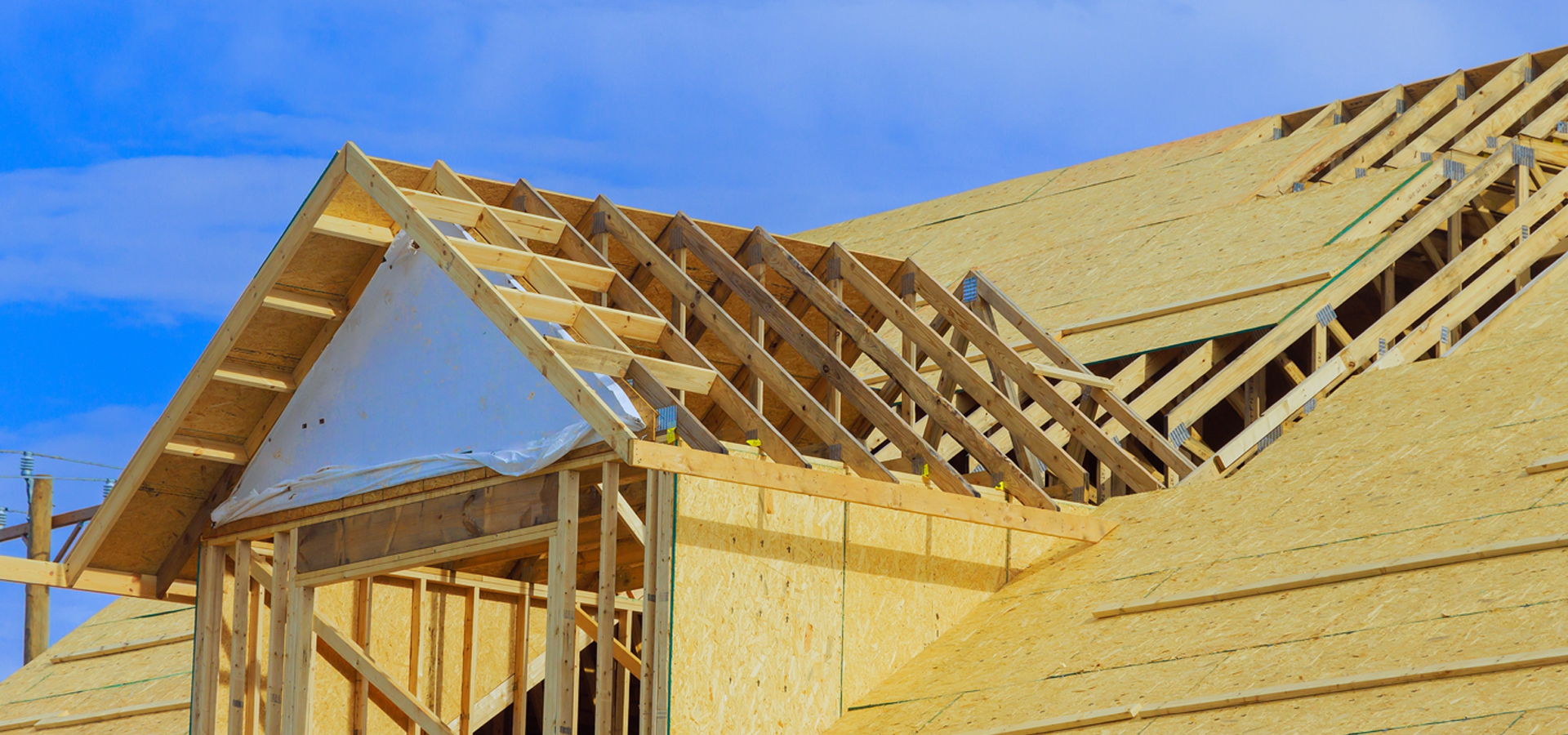
When building a home, the roof structure is one of your most important decisions. We’ve engineered thousands of roof systems, and we know that choosing the right truss type can save you 30-50% on labor costs while creating a stronger, more reliable roof.
Modern roof trusses have revolutionized residential construction since the 1950s. Today, nearly 80% of new homes use engineered trusses instead of traditional stick framing. Why? Trusses are pre-fabricated in controlled environments, engineered to meet strict building codes, and designed to handle everything from hurricane-force winds to heavy snow loads.
Key Takeaways
- Standard (Fink) trusses are the most popular for homes because they are affordable and easy to install.
- Scissor trusses create vaulted ceilings and can increase home resale value by 5–10%.
- Attic trusses add over 500 square feet of usable living space at about half the cost of traditional construction.
- Choosing the right truss depends on local snow loads, wind speeds, and building codes.
Common Truss (Fink/W Truss): The Construction Workhorse
The standard truss, also known as the Fink or W truss, is the most commonly used roof truss for homes. Its W-shaped design makes it strong, affordable, and easy to install.
These trusses usually span 20 to 60 feet and are designed for normal home loads. In colder regions, they are built to handle heavy snow, while in warmer and coastal areas, they are designed to resist strong winds.
Standard (Fink or W) trusses are strong, reliable, and cost $3–$5 per square foot. For a 2,000-square-foot home, that’s about $6,000–$10,000. Most homes can have trusses installed in one to two days, saving time and labor. Extra costs may apply for delivery, cranes, or bracing in snowy or windy areas.
Scissor Truss: Beauty with Strength
Scissor trusses create vaulted ceilings that make homes feel more open and can increase their value by 5–10%. The sloped ceiling gives a clean, spacious look without complex framing.
- Cost: $6–$10 per square foot
- Best for: living rooms, great rooms, master bedrooms
- Span: up to 40 feet
Scissor trusses are a great choice if you want to add style and value to your building or remodeling project.
Attic Truss: Smart Use of Space
Attic trusses convert roof space into 500–800 square feet of usable living space at a much lower cost than a whole second floor.
A traditional second story costs $100–$200 per square foot, while attic trusses cost $50–$100 per square foot, saving $25,000–$75,000 on a 500-square-foot room.
Most attic trusses give 7–8 feet of ceiling height in the center, with lower walls on the sides, and about 40–60% of the roof area is usable space.
They must meet building codes, including:
- At least 7 feet of ceiling height over 50% of the floor
- An emergency egress window
- Proper stairs that meet IRC standards
Typical uses include home offices, guest rooms, craft rooms, and home theaters.
Mono Truss: Simple and Flexible
Mono trusses have a single slope and are ideal for modern designs. They work well for room additions, porches, garages, and shed-style roofs.
- Typical span: 12–30 feet
- Best when water drainage needs to flow in one direction
- Ideal for building against an existing structure.
Gable Truss: Strong Roof End Support
Gable trusses close off the ends of a roof and support exterior walls. They match the roof pitch and provide a solid backing for materials such as vinyl, fiber cement, brick veneer, or wood siding.
Factors to Consider When Choosing Roof Trusses
When selecting roof trusses, it’s important to consider weather conditions and structural requirements. Key factors include:
- Snow loads: Roofs should be designed to support the expected snow load in the area.
- Wind forces: Roofs must withstand typical wind speeds for the region.
- Seismic activity: Homes in earthquake-prone areas may need extra bracing and stronger connections.
Taking these factors into account ensures your roof is safe, strong, and long-lasting.
How Budget Impacts Your Truss Choice
Choose the right truss by considering:
- Budget: Use standard trusses for regular roofs, scissor trusses for vaulted or stylish spaces, and attic trusses to add extra living space.
- Climate: We’ll engineer for your specific snow, wind, and seismic loads
- Long-term needs: That extra bedroom from an attic truss might be worth it as your family grows
- Professional input: We provide free consultations to review your plans.
Modern engineered trusses make home building faster, stronger, and more affordable. With decades of experience, Truss Builder Parts can help you choose the right truss. Contact us today for a free quote and save time and money.