

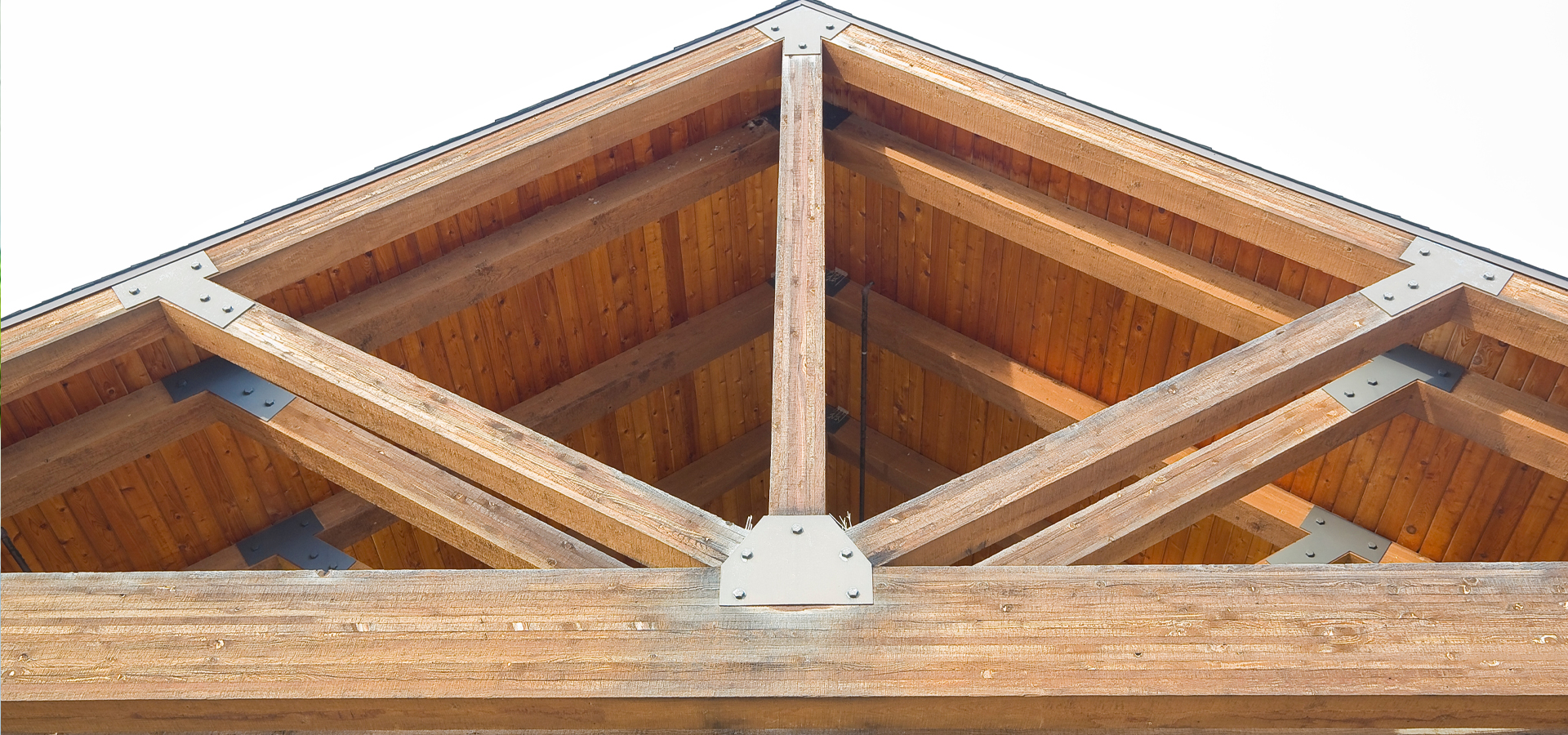
Building wooden trusses can seem complex, but following a clear system makes it easy. Start with proper engineering, set up equipment, make precise cuts, secure the metal plates, and inspect each truss. This ensures consistent, high-quality trusses that meet codes and satisfy customers.
Key Takeaway:
- Always use an engineered truss design
- Accurate cutting and setup improve consistency
- Metal plates must be fully pressed for safety
- A final inspection prevents costly issues later
Understanding What a Wooden Truss Is
A wooden truss is a strong triangular structure used in homes and commercial buildings. Its shape spreads the weight evenly, allowing it to span long distances without bending. Trusses are strong, reliable, and efficient for construction.
A typical truss has top chords (along the roof), a bottom chord (the ceiling line), and web members connecting everything. Metal plates secure the joints, keeping the structure stable.
What You’ll Need
Materials:
- Lumber (commonly 2×4 or 2×6)
- Metal connector plates
- Fasteners
Equipment:
- Truss building table
- Truss press
- Measuring tools and a saw
- Safety gear
Your equipment is the heart of your operation. A strong, reliable truss table ensures that every truss is built the same way. A properly maintained press ensures that plates are securely embedded. When your tools work well, your production line runs smoothly.
Step-by-Step Guide to Building a Truss
Start With an Engineered Design
No truss should ever be built without engineering. The design tells you exactly what size lumber to use, how each piece fits, and where every plate should go. Building codes require engineered truss designs because a single detail error can weaken an entire roof. Engineering is not paperwork; it is the foundation of your safety.
Set Up Your Truss Table Correctly
Your truss table functions like a full-scale model of the truss. Set the stops and guides according to the design measurements. Even a slight misalignment can affect every truss you build afterward. Good equipment with precise adjustments makes this step easier and faster, saving you time throughout the day.
Cut Your Lumber With Precision
Cutting lumber accurately is one of the most straightforward yet most important steps. If the pieces are slightly off, the entire truss will struggle to fit together. Always measure twice and cut once. Check each board for knots, cracks, or warping before cutting. Poor lumber leads to weak joints and possible failures during inspection.
Shops often batch-cut pieces to save time. This works well only if the first cut is perfect; otherwise, you end up with a stack of unusable parts.
Lay Out All the Pieces
Once your table is set, lay out the top chords, bottom chord, and web members. Each piece should sit snug against the table guides. If anything looks uneven or out of place, stop and correct it before moving forward. Proper layout ensures the truss takes shape exactly as designed.
Position the Metal Plates
Metal connector plates go at every joint where lumber pieces meet. Their placement is critical. They should be centered over the joint with the teeth facing into the wood. A misplaced plate can weaken the connection, so take your time.
Press the Plates Securely
Your truss press pushes the plate teeth deep into the lumber. Most manufacturers press one side of the truss first, flip it, and press the other side. Under-pressed plates may look fine but can fail under load, making this one of the most critical steps in the entire process.
Keeping your press in good condition ensures consistent pressure. Worn cylinders or uneven pressing surfaces can compromise plate penetration.
Inspect Before Shipping
A quick inspection can prevent costly issues. Check for loose plates, gaps in joints, or incorrect measurements.
Avoiding Common Mistakes
Manufacturers can face costly problems when using low-quality lumber, skipping maintenance, or ignoring engineering. Proper engineering is always necessary.
Keep Your Equipment in Good Condition
Your truss table and press are long-term assets. Keep them clean, lubricated, and calibrated, and replace damaged parts promptly. Many manufacturers prefer American-made truss components because they last longer and can be replaced quickly when needed.
Growing Your Production
As the workload grows, upgrading equipment can boost speed, accuracy, and production. Modern truss machinery helps increase output without losing quality.
Ready to Build Better Trusses?
Strong trusses begin with proper engineering, precise setup, accurate cutting, and dependable equipment. Using the right tools makes production easier and more efficient. With American-made truss equipment and parts from Truss Builder Parts, you can build stronger trusses faster and with confidence.